
Description
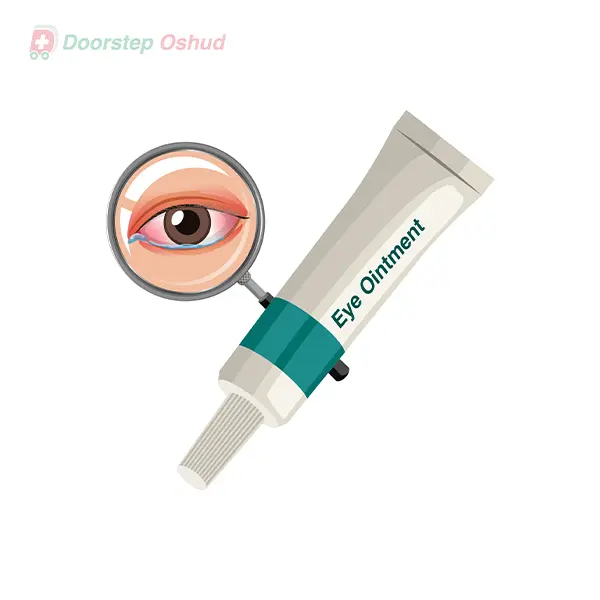
Floromox 5 gm Eye Ointment
Indications
Moxifloxacin Hydrochloride ophthalmic solution is indicated for the treatment of bacterial conjunctivitis caused by susceptible strains of the following organisms:
Aerobic Gram-positive microorganisms: Corynebacterium species, Micrococcus luteus, Staphylococcus aureus, Staphylococcus epidermidis, Staphylococcus haemolyticus, Staphylococcus hominis, Staphylococcus warneri, Streptococcus pneumoniae, Streptococcus viridans group.
Aerobic Gram-negative microorganisms: Acinetobacterlwoffii, Haemophilusinfluenzae, Haemophilus parainfluenzae.
Other microorganisms: Chlamydia trachomatis.
Intraocular injection: A highly effective Intraocular Antibiotic to prevent Postoperative Bacterial Endophthalmitis.
Pharmacology
The antimicrobial action of Moxifloxacin results from inhibition of the topoisomerase II (DNA gyrase) and topoisomerase IV. DNA gyrase is an essential enzyme that is involved in the replication, transcription and repair of bacterial DNA. Topoisomerase IV is an enzyme known to play a key role in the partitioning of the chromosomal DNA during bacterial cell division.
Dosage & Administration
Eye Drops: One drop in the affected eye 3 times per day for 7 days.
Eye Ointment: It should be applied thinly and evenly to the affected eye three times a day for the first two days and for the next five days apply two times a day or as advised by the registered physician.
Intraocular injection: Intraocular Moxifloxacin can be administered as 0.2-0.4 ml dose prior to ocular surgery via intraocular route. The final dose must be determined by the doctor.
Interaction
Drug-drug interaction studies have not been conducted with Moxifloxacin Hydrochloride ophthalmic solution. In vitro studies indicate that Moxifloxacin does not inhibit CYP3A4, CYP2D6, CYP2C9, CYP2C19, or CYP1A2 indicating that Moxifloxacin is unlikely to alter the pharmacokinetics of drugs metabolized by these cytochrome P450 isozymes.


Reviews
There are no reviews yet.